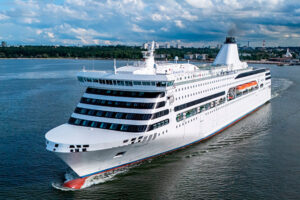

Despite a challenging year in 2020, there is optimism on the horizon. According to brand new 2021 State of the Cruise Industry outlook by Cruise Lines International Association (CLIA), two out of three cruisegoers are willing to cruise within a year and 58% of international vacationers, who have never cruised, are likely to cruise in the next few years.
Covid-19 crisis was felt very much on the waves, as cruise ships
infected with the virus turned into “escape rooms” in the minds of the
people. Looking at industry unemployment alone, last year every 1% loss
of cruisers resulted in a reduction of 9,100 industry-related jobs. Each day
of suspension caused direct and indirect industry losses of 2,500 jobs.
Nevertheless, the foundations of a strong industry have not
disappeared overnight. In 2019, for example, cruising sustained 1,166,000
jobs, equaling $50.53 billion in wages and salaries and $154.5 billion total
output worldwide.
The industry has adjusted. From early July through mid-December
2020, there were more than 200 sailings with multiple layers of enhanced
measures in place. CLIA contends that the success of these initial sailings
demonstrates new protocols are working as designed – to mitigate the
risk of Covid-19 among passengers, crew and the destinations cruise ships
visit.
And what’s in the cards for this year? CLIA anticipates the debut
of 19 new ocean ships in 2021, resulting in a total of 270 CLIA Cruise Line
ocean ships projected to be in operation by the end of the year. Looking
ahead, this “Fleet of the Future” will feature enhanced health and safety
cruise protocols for the resumption of passenger operations.
As the Covid crisis fades, we must renew our commitment to
a cleaner, more sustainable future. So far, we’ve seen a staggering
$23.5 billion investment in ships with new technologies and cleaner fuels
to reduce carbon emissions. This, in itself, is a powerful statement that
speaks volumes about the industry’s desire to well and truly tackle climate
change.
This means, for instance, that half (49%) of new build capacity
on order will rely on LNG fuel for primary propulsion – and almost all
(99%!) of new ships on order will have Advanced Wastewater Treatment
Systems in place, bringing global capacity served by these systems to
78.5%.
Partnerships with local governments in key destinations are a big
part of this green mindset. Ultimately, the cruise industry is committed
to reducing its rate of carbon emissions by 40% by 2030 compared to
2008.
Petri Charpentier