
Finnish Marine Technology

Propulsion

Carbon costs put marine engine performance under the microscope

With bunker prices having increased by 76% since the US war on Iran, together with an ageing fleet operating longer voyages as ships navigate around conflict zones, shipmanagers and crews need to look more closely at their engines if they want to reduce costs, advises engine monitoring specialist CM Technologies (CMT).
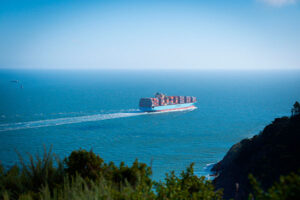
Decarbonization in Shipping Moves from Plans to Implementation

International shipping is entering a phase where reducing greenhouse gas emissions is no longer a long-term ambition, but a concrete part of everyday business operations. Regulatory pressure is increasing, technologies are advancing, and investment decisions are being made in an environment marked by uncertainty, where the distribution of costs has also become a central issue.

Fuel Transition Reshapes the Maritime Industry

The maritime sector is undergoing its most significant energy transition to date. While multiple low-carbon fuel pathways are emerging, no clear winner has yet been established. Methanol, ammonia, LNG, biofuels, and synthetic fuels are all competing for position as the industry responds to tightening regulation and long-term decarbonization targets.

Wind powers vessels

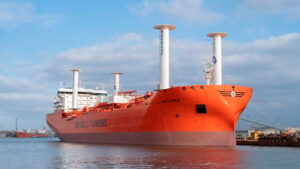
Wind turbines in vessels is not a new invention. Savonius Rotor was invented by a Finn, Sigurd Savonius in 1926,

Carbon costs put marine engine performance under the microscope

With bunker prices having increased by 76% since the US war on Iran, together with an ageing fleet operating longer voyages as ships navigate around conflict zones, shipmanagers and crews need to look more closely at their engines if they want to reduce costs, advises engine monitoring specialist CM Technologies (CMT).

Decarbonization in Shipping Moves from Plans to Implementation

International shipping is entering a phase where reducing greenhouse gas emissions is no longer a long-term ambition, but a concrete part of everyday business operations. Regulatory pressure is increasing, technologies are advancing, and investment decisions are being made in an environment marked by uncertainty, where the distribution of costs has also become a central issue.

Fuel Transition Reshapes the Maritime Industry

The maritime sector is undergoing its most significant energy transition to date. While multiple low-carbon fuel pathways are emerging, no clear winner has yet been established. Methanol, ammonia, LNG, biofuels, and synthetic fuels are all competing for position as the industry responds to tightening regulation and long-term decarbonization targets.

Wind powers vessels

Wind turbines in vessels is not a new invention. Savonius Rotor was invented by a Finn, Sigurd Savonius in 1926,