The Finnish maritime sector is sailing full speed ahead. With order books secured into the next decade, new strategic acquisitions, and a growing global demand for both cruise ships and icebreakers, the industry now generates more added value than Finland’s traditional paper industry.
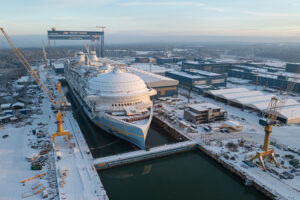
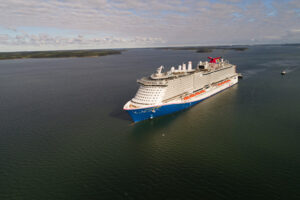
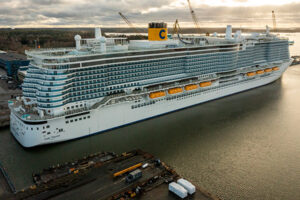
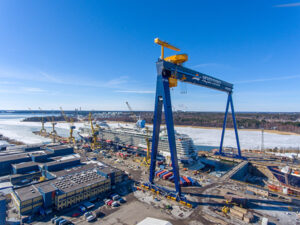
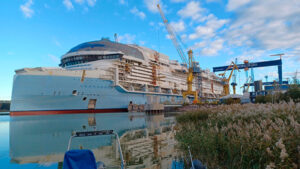
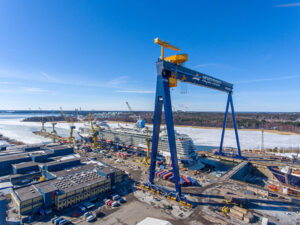
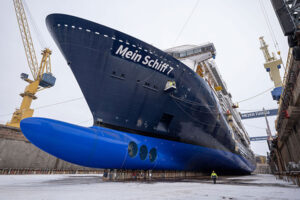
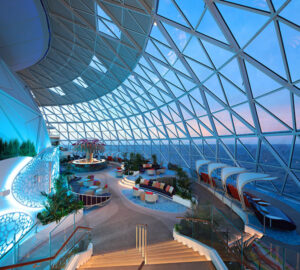
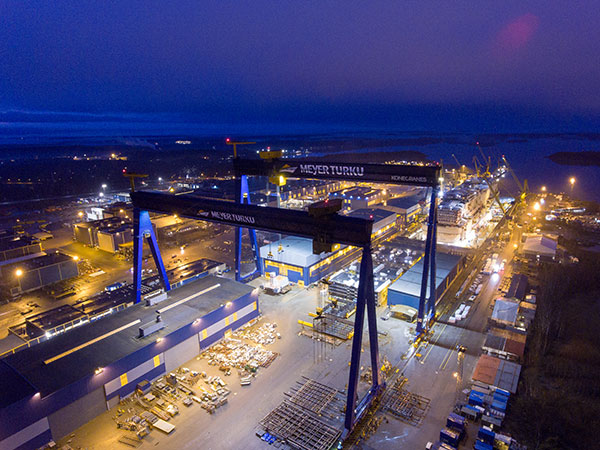
The most visible symbol of this strength is Meyer Turku shipyard. In late August, the yard handed over its second Icon-class cruise ship to Royal Caribbean Group – a vessel priced at €1.6 billion. Financing was also secured earlier this summer for a fourth ship of the same class, with options for two more. This ensures full order books well into the next decade, underlining the global relevance of Finland’s cruise ship expertise.
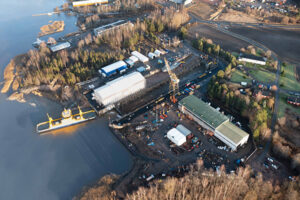
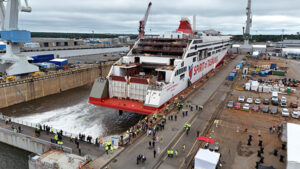
At the same time, consolidation and strategic acquisitions are reshaping the shipbuilding landscape. Canadian-owned Davie, which operates the Helsinki Shipyard, acquired Enersense’s maritime unit in Pori, reviving the historic Mäntyluoto yard. This move secures essential steel production capacity and enables the company to deliver heavy-duty icebreakers for the Canadian government. The first Polar Max-class vessel will be completed in Finland before final outfitting in Canada.
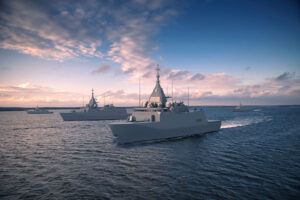
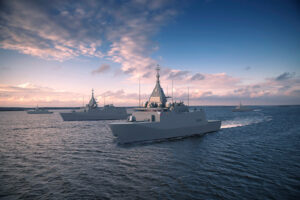
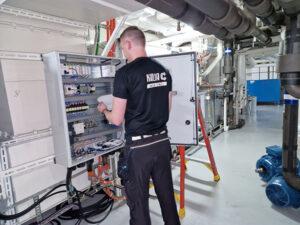
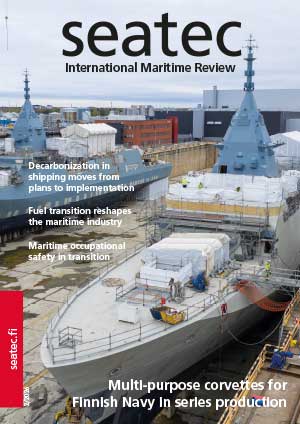
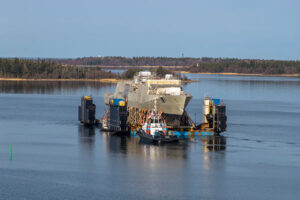
Meanwhile, Rauma Marine Constructions (RMC) recently reported a long-awaited financial turnaround, shifting from heavy losses to a modest profit in 2024. This recovery gives confidence that the yard can successfully deliver four Pohjanmaa-class multi-role corvettes currently on order for the Finnish Navy.
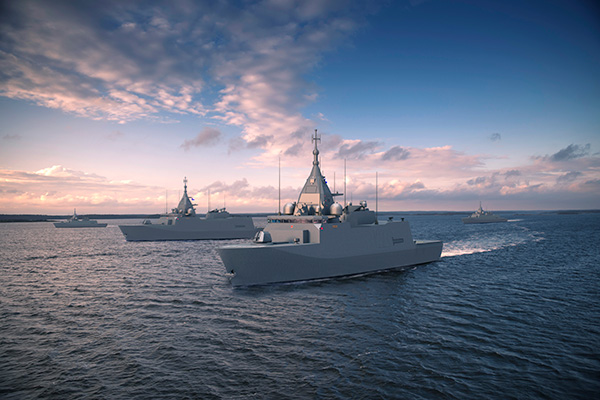
Photo: Rauma Marine Constructions
With Meyer Turku focusing on cruise vessels and both Davie and RMC positioned to compete for icebreaker contracts in Finland, Sweden, Canada, and the United States, Finland’s yards are diversifying and strengthening their competitive edge.
The numbers highlight why this sector matters. Finnish maritime industries generate around €2.7 billion in added value, surpassing the paper industry’s €2.5 billion. More than 30,000 people are directly employed in shipbuilding and maritime technology, while the broader cluster supports nearly 47,000 jobs nationwide.
Public support has been crucial. Cruise ships and modern icebreakers require financing on a scale few private investors can cover. State guarantees – currently totaling €13.5 billion of Finnvera’s €25.8 billion exposur – have made it possible for Finnish shipyards to compete globally. Critics may question this risk, but so far the benefits to employment, expertise, and exports have clearly outweighed potential downsides.
Looking ahead, global market trends remain encouraging. According to CLIA, cruise passenger numbers rose to 34.6 million in 2023 and are forecast to reach 42 million by 2028. Combined with rising demand for ice-capable vessels, Finland’s maritime industry seems set for a long period of sustainable growth.
by: Petri Charpentier