Finland’s overall economic outlook remains subdued. Forecasts once again suggest growth hovering around or below the one-percent mark, weighed down by sluggish domestic demand and global uncertainty. Yet amid this cautious macroeconomic climate, one sector continues to chart a markedly different course: the Finnish maritime industry.
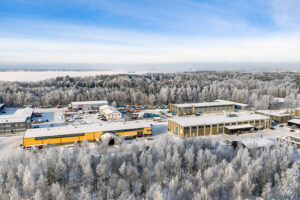
From the shipyards of Turku and Rauma to an extensive nationwide network of system suppliers, design houses and technology companies, the maritime cluster is operating at full speed. Order books remain strong, and the pipeline of complex newbuilds and retrofits stretches years ahead. In a year when much of the economy is treading water, marine remains firmly under power.
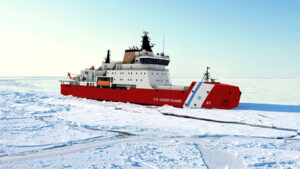
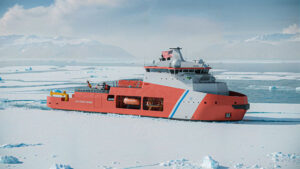
The reasons are structural rather than cyclical. Finland’s shipbuilding expertise has evolved toward some of the most demanding vessel segments in the world: cruise ships, icebreakers, naval vessels and advanced special-purpose ships. These projects require deep systems integration capabilities, digital know-how and close collaboration across the supply chain. They also create high value added per employee and per contract, amplifying their economic impact.
Equally important is the sector’s position at the forefront of the green transition. Decarbonisation, alternative fuels, energy efficiency solutions and lifecycle services are no longer peripheral topics; they are central drivers of demand. Finnish companies have built a reputation for delivering technically advanced, environmentally optimised solutions. As global shipping accelerates its transition, this competence becomes a strategic asset.
However, strong order intake today does not eliminate tomorrow’s challenges. Cost competitiveness, availability of skilled labour, geopolitical uncertainty and regulatory complexity remain real concerns. Sustaining growth will require continued investment in innovation, digitalisation and workforce development. Close cooperation between industry, government and educational institutions will be essential.
Still, the current momentum sends an encouraging signal. In a slow-growth economy, the maritime industry demonstrates what is possible when long-term specialisation, export orientation and technological leadership align. For Finland, marine is not just another industrial branch — it is a reminder that even in calm economic waters, there are sectors capable of making headway at full speed.
PETRI CHARPENTIER