Finnish Marine Technology

Nord Gas Solutions selected to supply cargo handling and fuel gas supply systems for two Very Large Gas Carriers

Nord Gas Solutions has been awarded a contract by HD Hyundai to supply the Cargo Handling System (CHS) and LPG Fuel Supply System (LFSS) for two new 90,000 m³ gas carriers for Transpetrol TM AS. The vessels will be constructed at HD Hyundai Samho Heavy Industries (HSHI) in South Korea.
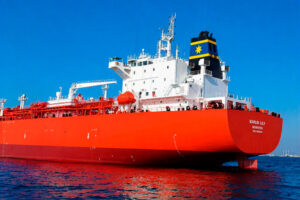
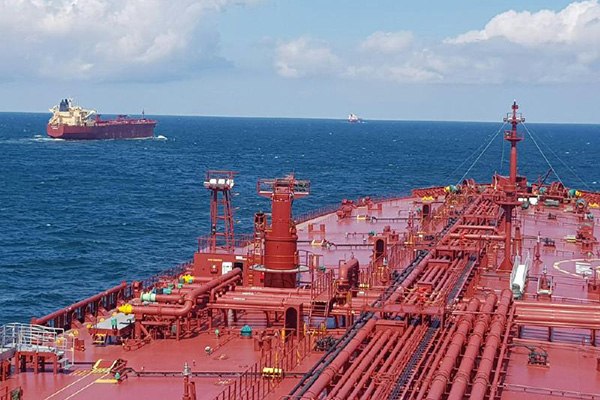
Nord Gas Solutions has been contracted to supply the Cargo handling and LPG Fuel Sup0ply Systems for twot new 90,000 m³ Very Large Gas Carriers (VLGCs) Photo: Transpetrol

The vessels will be designed to carry LPG and ammonia and will be fully dual-fuel capable. Nord Gas Solutions’ scope includes the engineering of the cargo handling and fuel supply process plants, together with the associated equipment, instrumentation, interface materials and cargo control system.

Transpetrol has already gained experience with our cargo handling systems through vessels currently in its fleet. Their decision to select Nord Gas Solutions again for these new vessels is therefore particularly meaningful to us. We see it as a strong recognition of the performance and reliability of our systems, as well as the technical and operational support we provide throughout the vessel lifecycle.

“We are very pleased to have been selected once again for a Transpetrol newbuilding project are also pleased to continue our long-standing cooperation with HD Hyundai. Over many years, Nord Gas Solutions and HD Hyundai have successfully worked together on numerous gas carrier projects, building a strong working relationship based on technical cooperation, project execution and mutual trust. We look forward to bringing that experience into this new project at HSHI and working closely with both HD Hyundai and Transpetrol to ensure its successful execution.” said Patrick Ha, Sales Manager, Nord Gas Solutions.

Nord Gas Solutions is the new corporate brand formed following the acquisition of Wärtsilä Gas Solutions by Mutares SE & Co. effective from June 1, 2026.

Source: Nord Gas Solutions

Share this article: 

Propulsion

Carbon costs put marine engine performance under the microscope

With bunker prices having increased by 76% since the US war on Iran, together with an ageing fleet operating longer voyages as ships navigate around conflict zones, shipmanagers and crews need to look more closely at their engines if they want to reduce costs, advises engine monitoring specialist CM Technologies (CMT).

Decarbonization in Shipping Moves from Plans to Implementation

International shipping is entering a phase where reducing greenhouse gas emissions is no longer a long-term ambition, but a concrete part of everyday business operations. Regulatory pressure is increasing, technologies are advancing, and investment decisions are being made in an environment marked by uncertainty, where the distribution of costs has also become a central issue.

Fuel Transition Reshapes the Maritime Industry

The maritime sector is undergoing its most significant energy transition to date. While multiple low-carbon fuel pathways are emerging, no clear winner has yet been established. Methanol, ammonia, LNG, biofuels, and synthetic fuels are all competing for position as the industry responds to tightening regulation and long-term decarbonization targets.